








Answer these 7 questions to identify your theoretical morphotype (ectomorph, mesomorph or endomorph) and get personalized nutritional and training recommendations.
Please note: important information: body types are an obsolete pseudoscience from the last century with no valid scientific basis.
Genetics are much more complex, and most people are a mixture of these arbitrary categories. It is an extremely simplistic tool that can be useful for providing general advice, but it should never dictate a rigid training or nutritional approach. Our free online body type calculator is for informational purposes only.
Morphotypes don't explain everything
Morphotypes (ectomorph, mesomorph, endomorph) theoretically describe your basic physical structure: body shape, bone structure, tendency to gain or lose weight.
They guide your training and nutritional choices, but do not dictate them. Individual adaptation takes precedence over any classification.
The factors most predictive of success are cumulative training volume, recovery quality, nutritional consistency, stress management and sleep quality.
Morphotypes offer a starting point for training and nutrition, but the observation of results over 4-8 weeks takes precedence over any classification.

How do you know your morphotype?
Visual identification (without equipment)
Ectomorphe (pas de base scientifique) : silhouette mince et longiligne, épaules étroites, difficultés à prendre du poids (muscle ou gras), ossature fine (tour de poignet < 16 cm homme / < 14 cm femme), métabolisme rapide.
Mesomorph (no scientific basis): naturally athletic build, broad shoulders, defined waist, gains muscle mass easily with proper training, medium bone structure, balanced metabolism.
Endomorph (no scientific basis): more robust build, fat distributed around the abdomen and hips, prone to weight gain, broad bone structure (wrist circumference > 18 cm for men / > 16 cm for women), slower metabolism.
Structured measurement: Heath-Carter method
In the 1940s, American psychologist William Sheldon theorized three temperaments linked to morphology. Criticized for its psychological bias, his system was taken up by Heath and Carter in 1967 with a quantitative method on athletes.
The Heath-Carter method quantifies three components via 10 measurements (skin folds, circumferences, bone widths, height, weight):
- Endomorphism (adiposity)
- Mesomorphism (musculoskeletal development)
- Ectomorphy (linearity)
But what does science have to say today?
Studies show a clear morphological selection in certain disciplines. Endurance sports attract more ectomorphic profiles, rugby favors meso-endomorphs, while gymnastics naturally selects mesomorphs.
However, the method does not reliably predict individual performance, and variability within the same morphological group remains significant. Two athletes with the same somatotype (morphotype) may have very different physical abilities.
Scientific consensus: somatotype is a useful tool for some people. Although it has very little scientific basis, it can be useful to calculate your body type to guide your nutritional approach and training, but this should in no way be considered an absolute determinant. Training factors, genetics, and environment play a role that is at least as important as morphological classification.

Training: pragmatic adaptations for each profile?
Recommendations by morphotype are widely circulated in the fitness world, but they should be taken with a grain of salt. These classifications (ectomorph/mesomorph/endomorph) can give general trends for getting started, but they should never dictate a strict training program. The reality is that your response to training depends on dozens of factors: individual genetics, sporting history, recovery, diet, stress, sleep... far beyond a simple morphological category.
For example, we often hear that an “ectomorph” should drastically limit cardio (≤2×20 min/week) and aim for a linear gain of +2.5 kg every 2 weeks to build muscle mass, with a moderate volume of 8–12 sets per muscle group. For a “mesomorph,” a higher volume (12–20 sets per week) is often suggested, combining strength and hypertrophy while remaining vigilant against overtraining. As for “endomorphs,” standard recommendations include high-intensity circuit training, supersets, 15–25 sets per week, and 3–4 cardio sessions incorporating HIIT and approaches combined with other exercises to cut body fat.
These tips may work for some, fail for others. The key is to experiment: start with a solid foundation (compound movements, measured progression, volume adapted to your recovery), then adjust according to YOUR actual results, not a theoretical label. An ectomorph can progress very well with regular cardio, just as an endomorph can build muscle with less volume and more rest. Mixed profiles (ecto-meso or meso-endo) perfectly illustrate the limits of this classification: should volume or intensity be favoured? Short or long cycles? The answer depends on you, not on a category.
The morphotype can be used as an indicative starting point, never as a fixed prescription.
Nutrition: room for adjustment (no dogma)
Nutritional recommendations by morphotype should be seen as flexible starting points, not rigid prescriptions. Your actual metabolism, your individual response to macros, your daily activity and your dietary history count for much more than a theoretical category. These figures are guideline ranges to get you started, to be adjusted according to your actual results on the scale, in the mirror and your performance.
Ectomorph
For those who tend to have trouble gaining weight, we often suggest a caloric surplus of +500 to +700 kcal/day(calculate your caloric needs here). Aim for around 2 g of protein per kg of body weight, supplemented with sufficient carbohydrates (sources: oats, rice, pasta, fruit) and quality fats (oils, oilseeds, avocados). The classic strategy: multiply food intake (5-6 meals/day), favour calorie-dense foods (oats, dried fruit, nut butters), and possibly use a quality gainer if appetite doesn't follow.
Mesomorphic
People with an intermediate metabolism can generally adjust their intake by ±300-500 kcal, depending on their current goal (mass gain or lean). Aim for 1.8-2 g of protein per kg of body weight, with a good balance between carbohydrates and fats according to your preferences and tolerance. The flexible approach often includes alternating intake/drying mini-cycles every 2-3 months to optimize body composition.
Endomorph
For those who store fat more easily, a moderate deficit of -400 to -600 kcal/day is often recommended in the weight loss phase. Maintain 2 g of protein per kg of body weight to preserve muscle mass. Concentrate your carbohydrate intake around training and favour low-glycemic index sources (vegetables, legumes, wholegrain cereals). Complement with quality fats (olive oil, oily fish, oilseeds). The frequency of 5-6 small meals and the priority given to unprocessed foods are common guidelines.
Supplementation
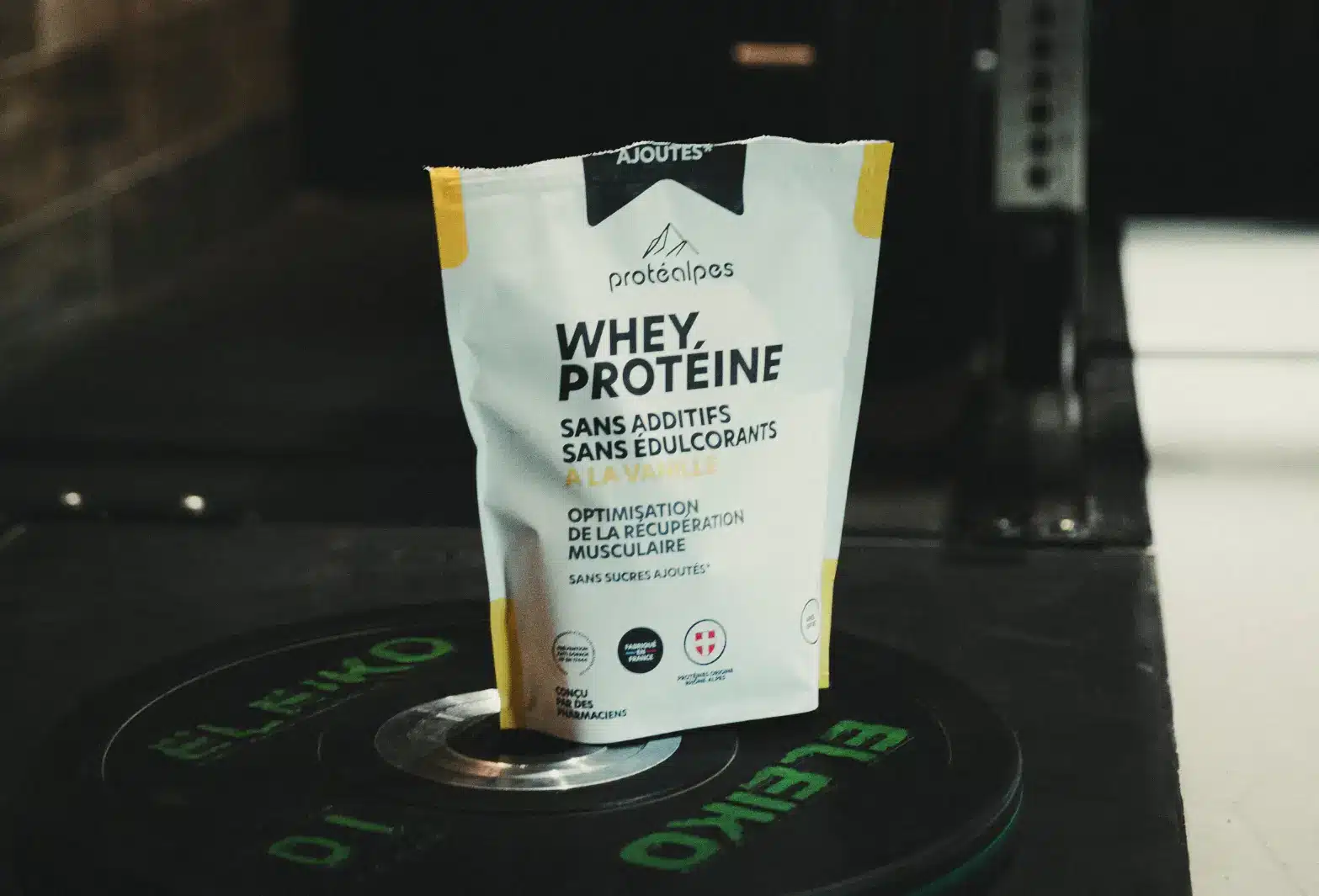
Relevant: A quality whey or gainer can be useful if you're struggling to meet your daily protein requirements. Creatine is potentially interesting for all profiles in the mass gain phase.
Not necessary: fat burners (marginal effectiveness), low-end gainers full of simple sugars, or multivitamins if your diet is already varied and balanced.
Please note: These recommendations are general guidelines, not absolute rules. Always adjust according to your actual progress, not according to a theoretical morphological label.
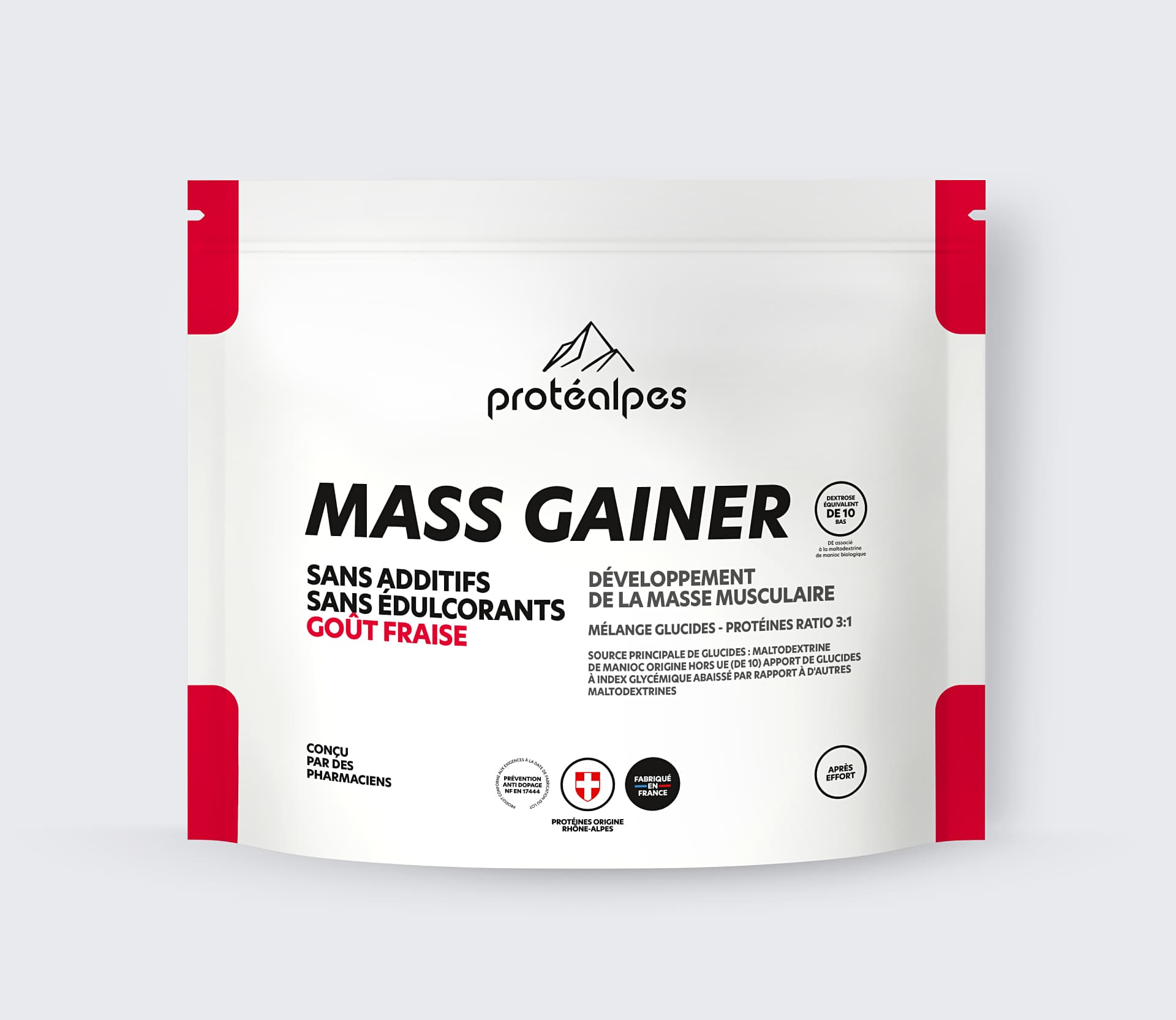
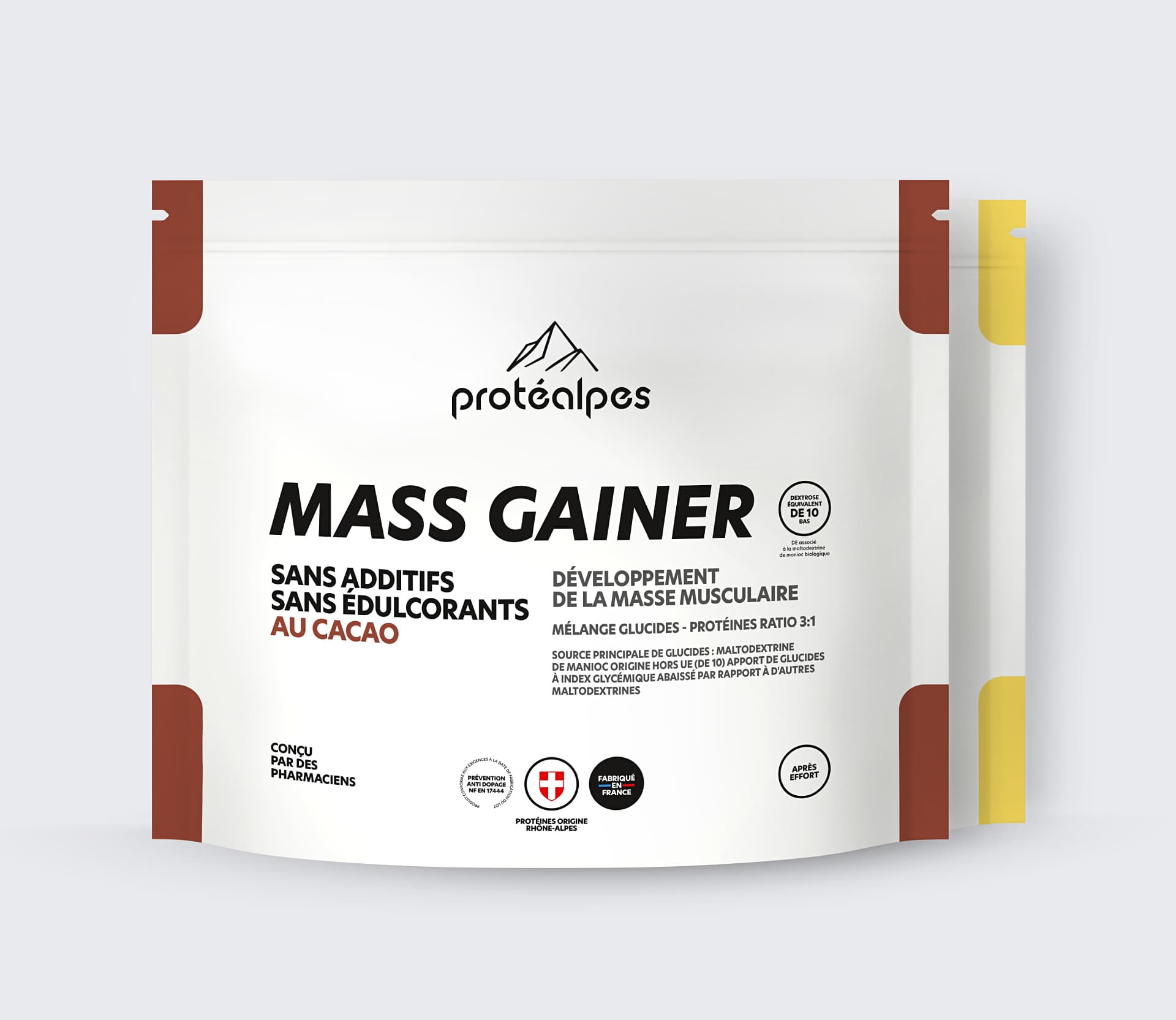
Mass gainer 2 kg
Ideal for weight gain
- Doping substance-free
- No additives, no sweeteners
- Manufactured by Protéalpes in Albertville, France
- 380 kcal and 23 g of protein per serving
Metabolism, genetics and plasticity
The latest major studies in human genetics and anthropology, including an INSEP thesis, show that around 40-60% of morphology (height, body proportions, etc.) is genetically inherited, with the remainder influenced by environment, diet, exercise and epigenetic factors.
What's evolving
- With training: muscle mass, strength, aerobic capacity
- With age: basal metabolism decreases (~2% per decade after age 30), tendency towards abdominal storage
- Modifiable factors: body composition, insulin sensitivity, active energy expenditure
Humans are highly adaptable, and body types should not be treated as the primary indicators. An ectomorph can gain 10–15 kg of muscle in 2–3 years with a tailored program. An endomorph can reduce their body fat percentage to 10–12% and maintain that level.
Common mistakes related to morphotypes
- Overinterpretation: “I’m ectomorphic, so I’ll never build muscle” (false)
- Extreme diets: deficits >1000 kcal for endomorphs (guaranteed muscle loss, danger for long-term basal metabolic rate)
- Unsuitable volumes: athletes who train 12×/week (overtraining)
FAQ: your key questions
What are the 3 typical morphotypes?
Ectomorph (slim, fast metabolism), mesomorph (athletic, balanced), endomorph (massive, slow metabolism). Once again, this is a very schematic vision, with no scientific basis.
Male/female differences?
Same classification, but different fat distribution: women store more on the hips/thighs (gynecoid), men on the belly (android).
Should we eat differently?
Yes, but the basic principles remain: adequate protein (1.3-2 g/kg), deficit/surplus adapted to the objective, food quality. It's rather the amplitude of the surplus/deficit that varies according to profile.
Can you change your morphotype?
The skeletal structure remains fixed, but body composition changes significantly with training and nutrition. A meso-endomorph can “resemble” a pure mesomorph after a few months of training.
[pa_tools_grid]