







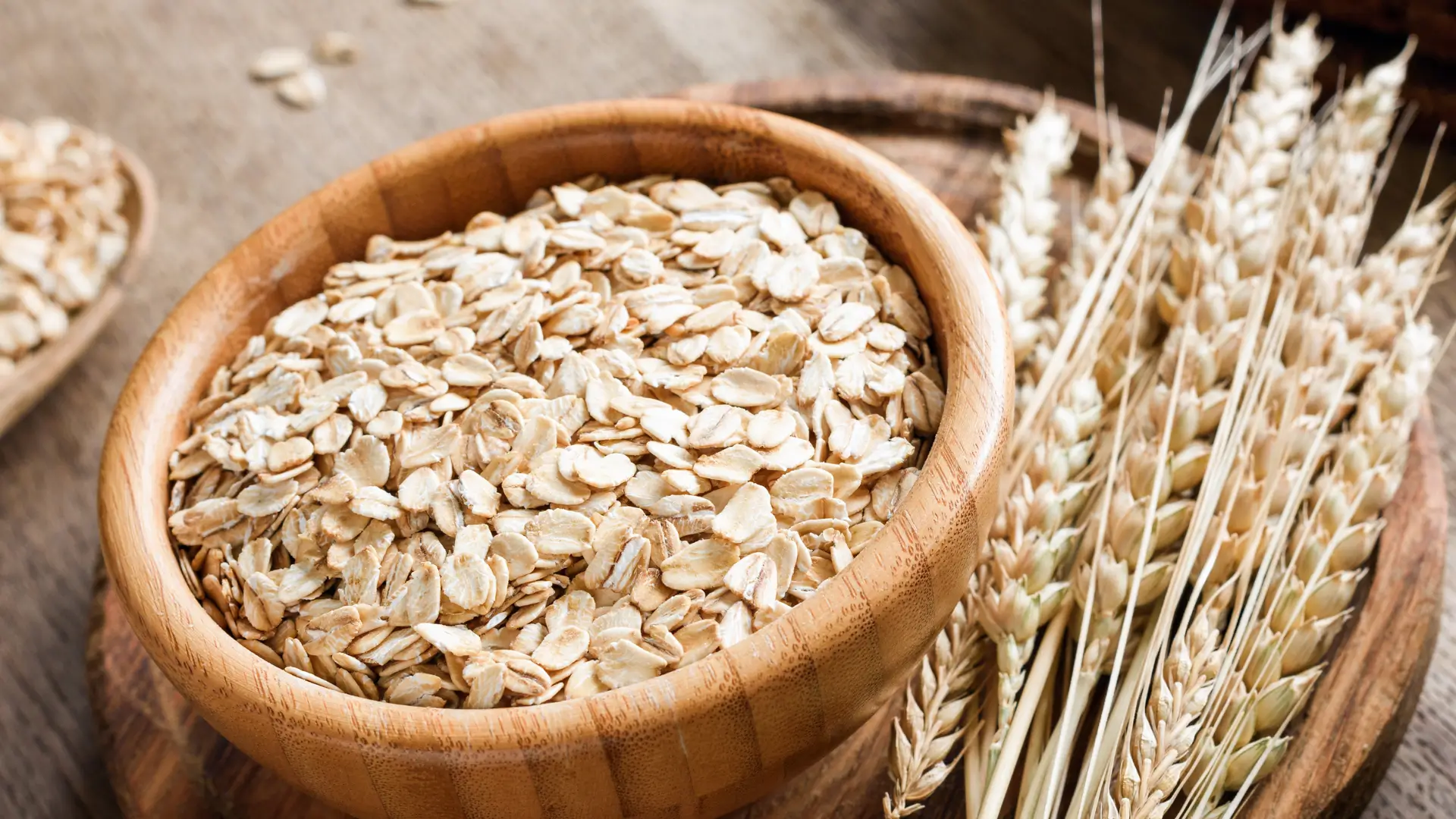
Oatmeal has become the star of the bodybuilding and sports nutrition breakfast menu, but a few precautions are needed to avoid bloating and digestive discomfort.
This wholegrain cereal, rich in fiber and minerals, offers numerous benefits, provided you know how to prepare it correctly.
In fact, despite their many benefits, oatmeal can cause digestive problems in some people.
This wholegrain cereal contains FODMAPs (fermentable carbohydrates) and avenin, a gluten-like protein that can trigger bloating and gas. Also, the phytates naturally present in oats block the absorption of minerals such as iron, zinc and magnesium.
In addition, their high soluble fiber content can cause the intestines to swell if they are eaten raw or in too large a quantity at once. The “thermal shock” caused by cold water often exacerbates these effects.
Fortunately, with the right preparation, these inconveniences can be avoided.
[toc]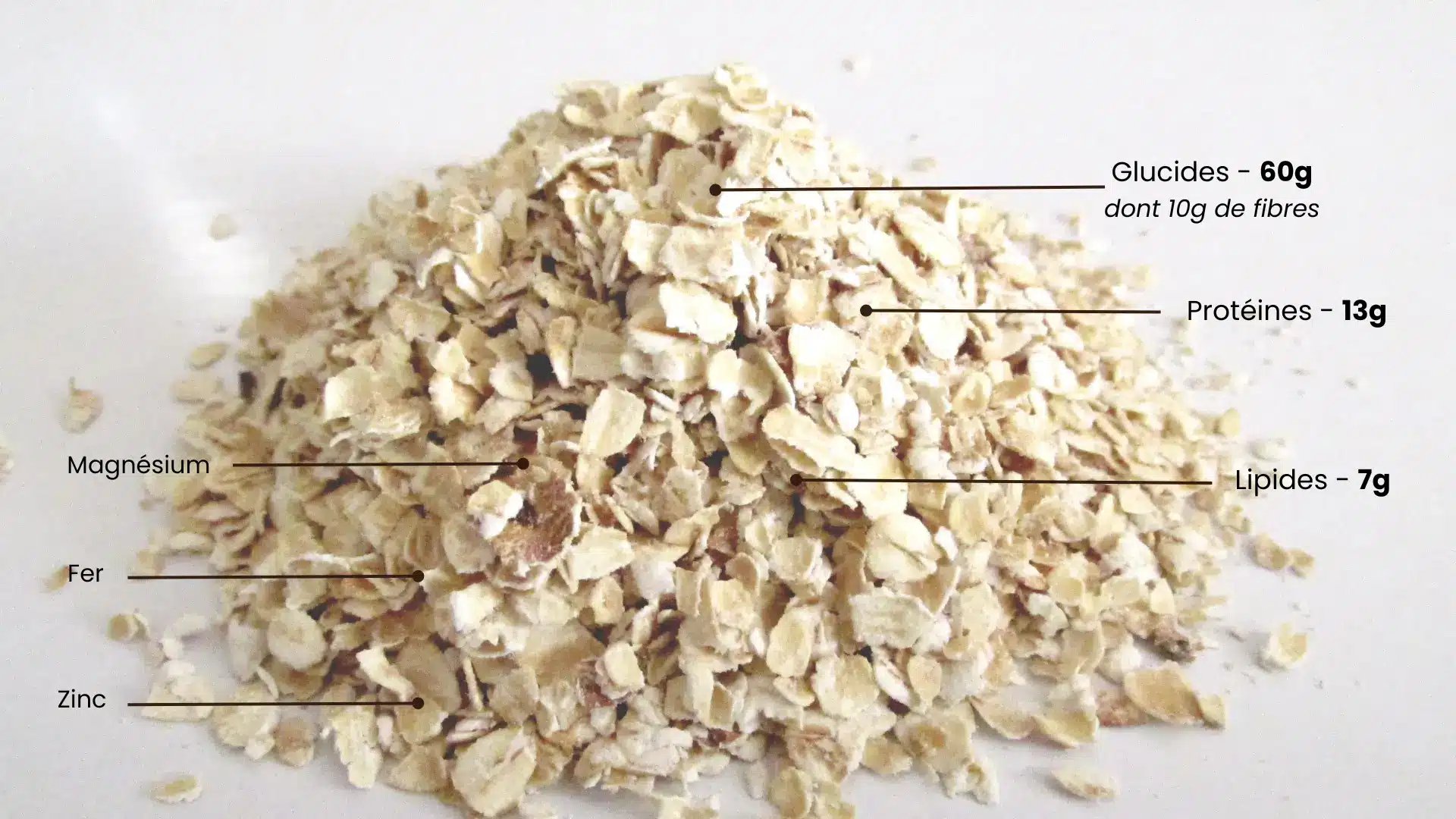
Preparation: the key to successful digestion
Soaking to neutralize anti-nutrients
Somestudies¹ suggest that soaking may help break down phytates. Other recommended practices involve soaking 50 g of rolled oats in 150 ml of water plus 1 teaspoon of apple cider vinegar for 6–8 hours in the refrigerator. The acidity is thought to enhance the breakdown of phytates, those “antinutrients” that block the absorption of iron, zinc, and magnesium naturally found in oats.
It should be noted that further research needs to be carried out on these subjects to clarify the benefits and effectiveness of these methods.
Precise protocol for preparing flakes:
- Soak for at least 6 hours (ideally overnight)
- Discard soaking water containing dissolved phytates
- Rinse before use to remove any remaining traces
In addition to the effects on phytates, pre-soaking oatmeal helps break down complex starches and proteins via hydrolysis, making them easier to digest, especially for people with sensitive stomachs.
This simple preparation transforms this food into a much more digestible version, avoiding the frequent intestinal bloating effect.
Grinding and cooking to aid digestion
Grinding flakes in a blender before consumption also reduces bloating, according to feedback. This technique breaks down soluble fibers into finer pieces, making them much easier to assimilate.
Cooking in hot liquid prevents “digestive shock,” which is often responsible for gas and bloating. Opt for gentle cooking over low heat for a few minutes to preserve B vitamins and achieve a creamy texture.
Cooking generally increasesthe glycemic index (GI) of oatmeal, as heat and moisture cause the starch to gelatinize:
– The starch chains break down, making glucose more accessible to digestive enzymes.
– The longer the cooking time and the more water used (e.g., very soft porridge), the higher the GI rises.
For the porridge, cook 50g of flakes in 200ml of milk (or vegetable drink), stirring regularly. This simple base can then be enriched as you wish.

When should you use oatmeal?
Pre- and post-training in bodybuilding
As a pre-workout snack: Eat 50–70 g of rolled oats 30–45 minutes before your workout to enjoy sustained energy thanks to their moderate glycemic index (60). Oats are an ideal choice because they release glucose gradually, preventing blood sugar spikes.
Post-workout: in the hour following a workout, flakes promote recovery by replenishing glycogen reserves. You can combine them with your whey and creatine without any problem - this combination even optimizes protein synthesis. If you're just starting out, you'll find that oat flakes are a familiar food for sportsmen and women, and a recurrent feature of mass-building diets!
For trail and endurance sports
For prolonged efforts, oat flakes are an ideal source of energy thanks to their gradual release of glucose, which maintains a stable energy level and delays the depletion of glycogen stocks. Their moderate glycemic index prevents the blood sugar spikes and crashes dreaded during endurance.
- 3-4h before exercise: Eat 80-100g of porridge flakes with fresh fruit and honey to build up lasting energy reserves.
- During long efforts (>2h): Take home-made bars made from ground flakes, dried fruit and maple syrup for digestible refreshments.
- Post-exercise: Prepare a smoothie with flakes, banana, plant milk and protein to optimize glycogen recovery.
The creamy texture of cooked porridge makes it easy to digest, even when your stomach is sensitive from exercise.
Unlike industrial gels, this natural cereal also provides essential minerals (magnesium, iron) often lost through perspiration during long outings. Choose certified organic sources.
We take a closer look at these aspects in our special report on recipes for runners using oat flakes.
Oatmeal digestion time
Oat flakes take 2-4 hours to digest in the stomach, with a complete intestinal transit time of 24-72 hours. Their viscosity slows gastric emptying and delays hunger signals. Soluble fibers reach the colon, where they are broken down by Bacteroides and Bifidobacterium bacteria.
The feeling of fullness lasts 3-4 hours, longer than with other carbohydrates. β-glucans form a gelatinous texture that slows absorption.
There are 4 major influencing factors:
- Soaking: improves digestibility
- Hydration: essential to avoid slowing down
- Quantity: excess fibre = bloating
- Preparation: cooking facilitates assimilation
Without sufficient hydration, fiber can constipate rather than improve transit.
Daily integration according to your diet
Oatmeal for mass gain: increase portions to 80-100g at breakfast to maximize caloric intake. This cereal provides a stable energy base to support muscle growth, replacing refined sugars.
Oatmeal for muscle drying: limit consumption to training windows only, keeping oatmeal for pre-training and fast carbohydrates during exercise. Their fibers maintain satiety even in caloric deficit, naturally controlling hunger.
Consumption patterns and quantities
The various possible preparations
For breakfast: mix 50-80g of flakes with milk (vegetable or animal) and add nuts, 70% cocoa or whey protein as required.
This versatile base adapts to any purpose and can be eaten raw after soaking or cooked in porridge.
Ideas for a variety of recipes :
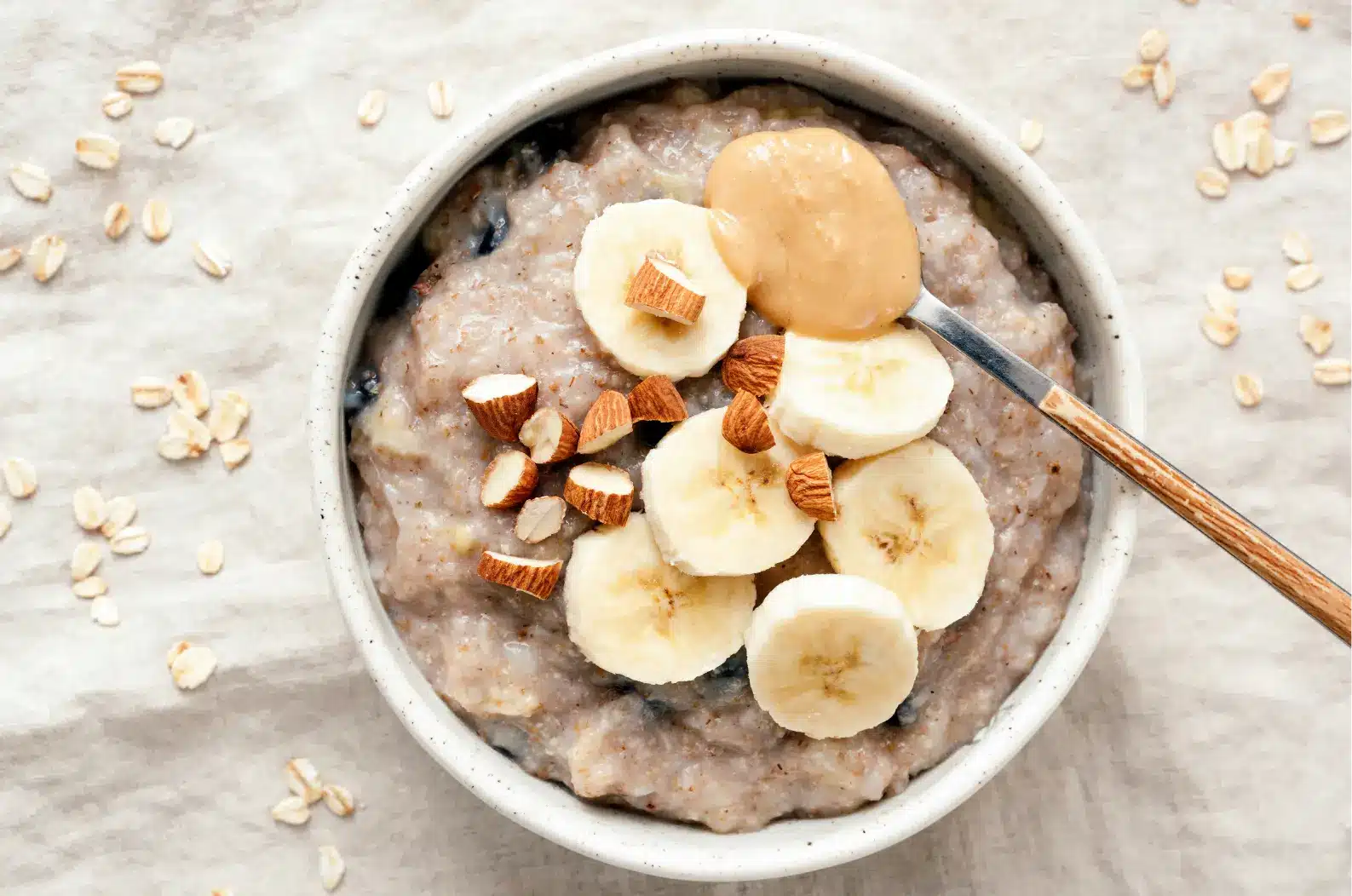
- Porridge gourmand: cook the flakes in milk, add a mashed banana, slivered almonds and a spoonful of honey. This sweet version provides vitamins, minerals and lasting satiety.
- Crushed flake pancakes: mix crushed flakes + eggs + honey + water for optimum digestibility. Leave the batter to rest for 10 minutes before pan-frying.
- Overnight oats: prepare the night before in a bowl: flakes + plant milk + fresh fruit + seeds. The mixture swells naturally overnight, creating a creamy texture without cooking.
- Homemade granola: mix organic rolled oats, dried fruit, seeds and maple syrup. Spread on a baking sheet and bake in the oven for crunchy pieces.
- Post-workout shake: oats + whey + water or plant-based milk for a natural, budget-friendly “gainer.” This drink, rich in plant-based protein, optimizes recovery. Blend in a blender.
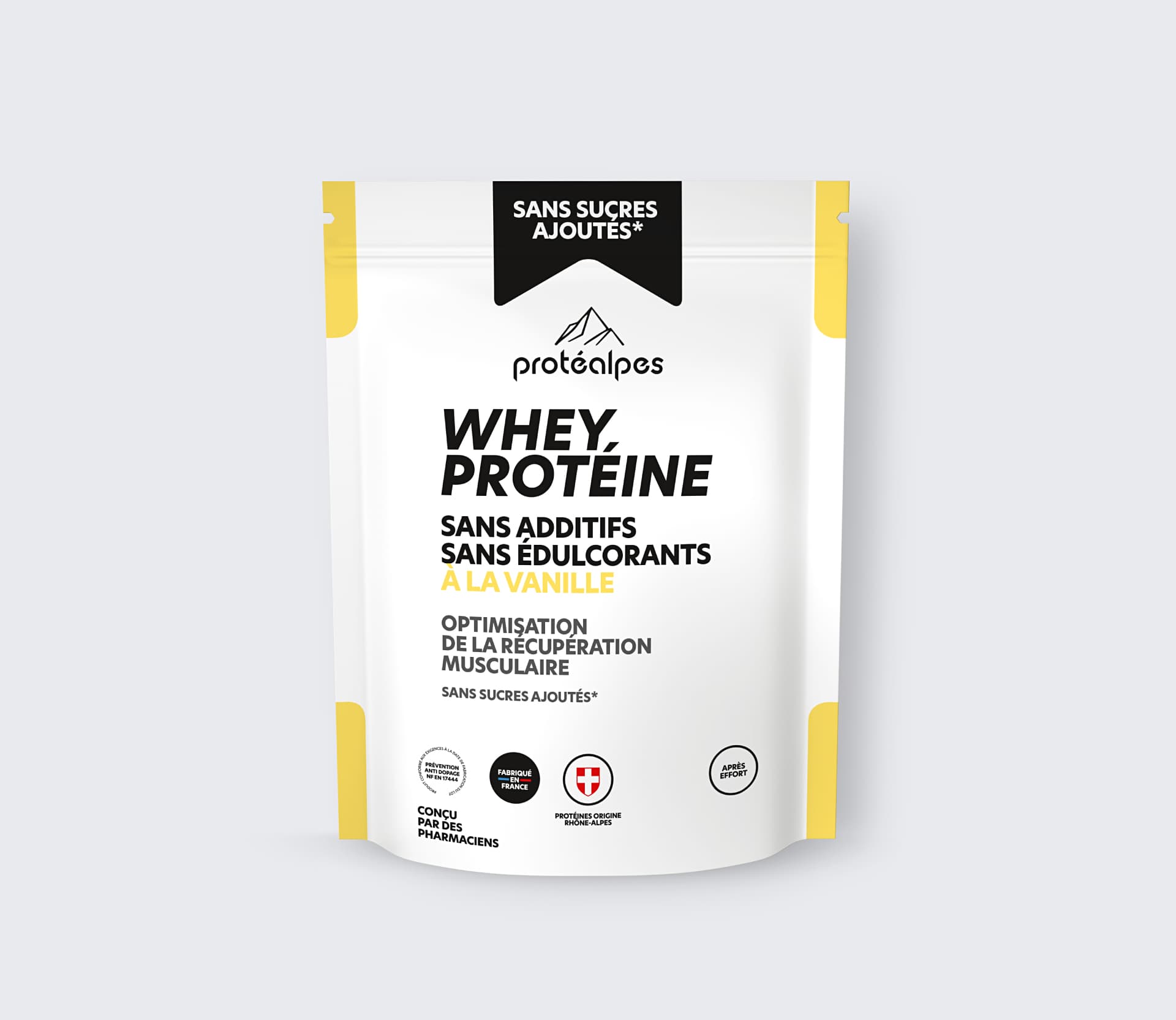
Whey protein with no added sugar
Formula developed by qualified pharmacists 🔬
- Manufactured in-house by Protéalpes
- No additives, no sweeteners
- Protein isolate from Rhône-Alpes
Available in packs of 3 to 4.5 kg
Creative savoury versions :
- Savoury porridge: Replace milk with vegetable broth, add cottage cheese and fresh herbs.
- In soup: Use oat flour to thicken soups and boost their nutritional value.
- Savoury cookies: Incorporate flakes into your cookie dough or energy bars.
To learn more, check out our oatmeal-based recipes, our special recipe for runners, our protein-rich shakes, and our natural, homemade weight gainers.
Recommended quantities by profile
Start gradually with 30g/day, then increase according to your tolerance, without exceeding 100g daily to avoid excess fibre.
A standard 500g pack will give you around 10 servings, allowing you to test different quantities.
Dosage by objective :
- Maintenance/dry: 40-60g/day (3-4 tablespoons)
- Weight gain: 60-100g/day (5-7 tablespoons)
- Snack or post-exercise: 30-40g with whey
These quantities are indicative and must be adapted to the caloric deficit you have calculated for your dry period.
The first thing to do in the morning is to prepare your oatmeal for breakfast according to your preferred method, varying the ingredients to avoid monotony.
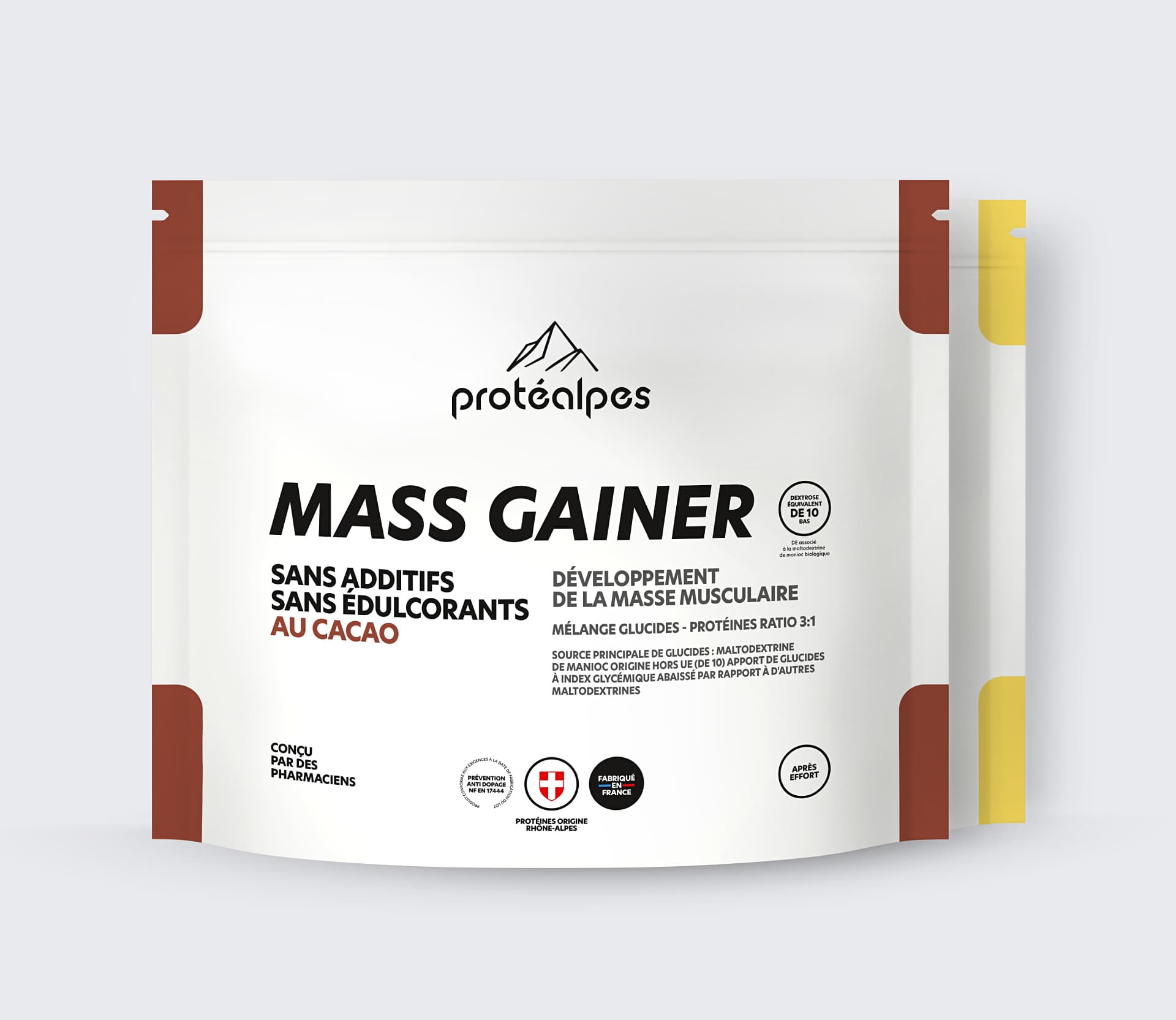
Mass gainer 2 kg
Ideal for weight gain
- Doping substance-free
- No additives, no sweeteners
- Manufactured by Protéalpes in Albertville, France
- 380 kcal and 23 g of protein per serving
Precautions according to your digestive profile
Beware of sensitive profiles: flakes contain FODMAPs and are not recommended in cases of SIBO, irritable bowel or avenin sensitivity. This oat protein, similar to gluten, can cause bloating and inflammation in some people.
The advantages of oats (rich in beta-glucans, source of numerous vitamins such as selenium, calcium and magnesium, beneficial effect on cholesterol and transit) should not blind us to the fact that each person reacts differently.
Alternatives for the sensitive :
- Quinoa (gluten-free, complete protein)
- Buckwheat (highly digestible, low in FODMAPs)
- Whole-grain rice (low in FODMAPs, high in carbohydrates)
- Non-oat muesli with dried fruits and seeds
If you have no particular sensitivity, choose gluten-free flakes to avoid cross-contamination. Finally, opt for organic versions for a healthier product.
Oats come in many forms (flakes, flour, granola, bars), making it possible to vary the pleasures. From smoothies to cookies, cream desserts to simple bowls of porridge, this wholegrain cereal can be adapted to suit every taste, while retaining all its nutritional benefits.
Making your own preparations remains the best way to control ingredients and avoid the additives of industrial products.
Frequently asked questions
Do oat flakes increase thermogenesis?
The link between oatmeal and thermogenesis exists, as with any food, but it is indirect and modest.
Proteins have the highest thermal effect (20-30% of calories), followed by carbohydrates (5-10%) and lipids (0-3%).
Oatmeal has a modest thermogenic effect due to its protein and fiber content, but it is not a significant “fat burner.” Its main benefit lies in its nutritional value (satiety, steady energy) rather than in its thermogenic properties alone.
What liquid should you use with oatmeal?
The choice of liquid to prepare your oatmeal depends on your objectives and tolerances:
- Animal milk: optimal for maximizing the absorption of plant proteins from oats, thanks to complete milk proteins which compensate for lysine deficiency. Ideal for weight gain. Choose a local and/or organic source.
- Plant milk (almond, oat, soya): an excellent lactose-free alternative, providing additional nutrients depending on the type chosen. Soy milk offers complete proteins similar to animal milk. Likewise, opt for simple, organic products.
- Water: the most digestible solution, especially for the lactose-sensitive, avoids undesirable fats and enables better calorie control. Soaking in water also improves digestion by denaturing proteins that are difficult to assimilate.
Choose warm or hot water (never very cold) to avoid digestive thermal shock, then adjust according to your needs: milk for anabolism, water for digestibility.